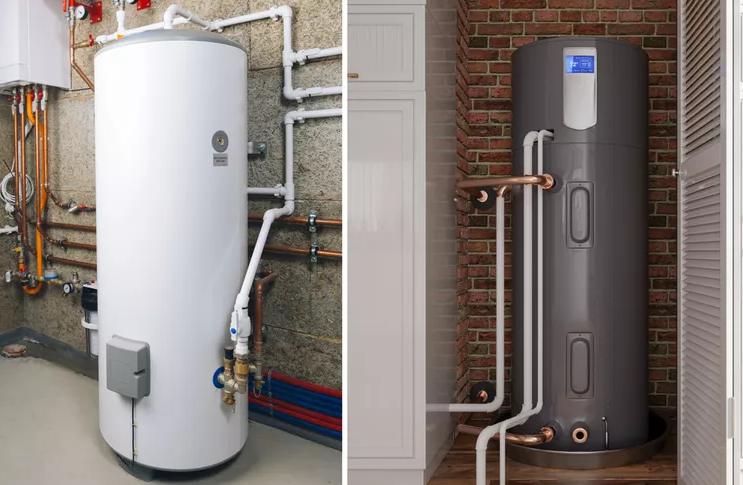
Electric vs. Gas Hot Water Systems: Which One is Best for Your Home?
Choosing the right hot water system is an essential decision for Australian households. With options like electric and gas hot water systems, it’s important to weigh the pros and cons to find what suits your family’s needs, energy usage, and budget. Let’s explore both options in a way that’s easy to understand and based on what’s most relevant for Australian homes.
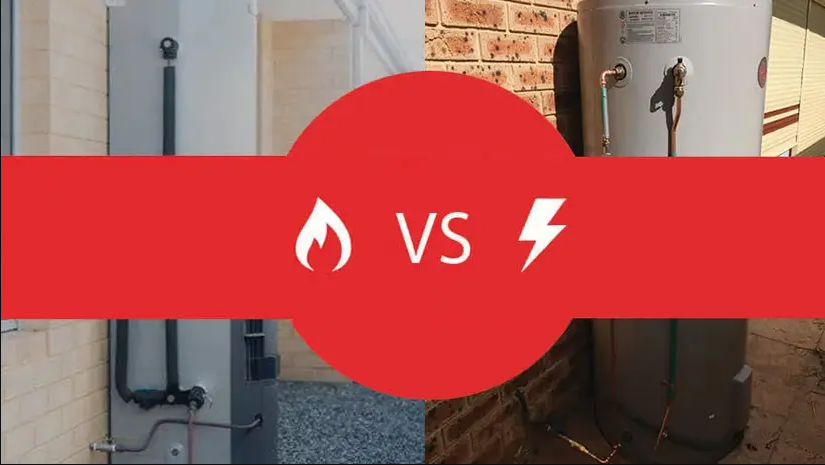
Electric Hot Water Systems
Electric hot water systems are a popular choice across Australia, particularly in areas without access to natural gas. They’re versatile and easy to install, making them a convenient option for many households.
Benefits of Electric Hot Water Systems:
Availability: Electricity is widely available across Australia, even in remote areas.
Lower Installation Costs: Electric systems generally have lower upfront costs compared to gas systems.
Flexible Sizes: Electric systems come in various sizes, making them suitable for both small and large households.
Drawbacks of Electric Hot Water Systems:
Higher Running Costs: Electric systems can be more expensive to run, especially during peak electricity usage times.
Slower Heating: Compared to gas systems, electric heaters may take longer to heat water.
Gas Hot Water Systems
Gas hot water systems are a favorite in homes with access to natural gas. They’re known for their efficiency and ability to provide continuous hot water.
Benefits of Gas Hot Water Systems:
Lower Running Costs: Gas is often cheaper than electricity in many parts of Australia, reducing ongoing expenses.
Fast Heating: Gas systems heat water quickly, ensuring you never have to wait for a hot shower.
Reliable During Power Outages: Gas systems don’t rely on electricity, making them a dependable choice during blackouts.
Drawbacks of Gas Hot Water Systems:
Higher Installation Costs: Gas systems can be more expensive to install, especially if you don’t already have a gas connection.
Not Suitable Everywhere: Homes without access to natural gas may need to opt for bottled gas, which can be less convenient.
Energy Efficiency and Environmental Impact
When it comes to energy efficiency, both systems have their strengths and weaknesses. Electric systems powered by renewable energy sources, such as solar panels, can be environmentally friendly. On the other hand, gas systems produce fewer emissions than coal-generated electricity but still rely on fossil fuels.
If reducing your carbon footprint is a priority, consider pairing an electric system with a renewable energy plan or exploring hybrid options.
Cost Comparison for Australian Households
Upfront Costs:
Electric systems: $1,000 to $3,000 (including installation)
Gas systems: $1,200 to $3,500 (including installation)
Running Costs:
Electric systems: $800 to $1,200 per year
Gas systems: $500 to $900 per year (depending on gas prices and usage)
Which One is Best for Your Home?
The right choice depends on several factors:
Location: If you live in an area without natural gas, an electric system might be your only option.
Budget: Electric systems have lower upfront costs, while gas systems offer long-term savings.
Household Size: Larger households may benefit from the quick heating and continuous supply of a gas system.
Environmental Concerns: Electric systems paired with renewable energy plans are a greener choice.
Why Choose SolarConnect Group for Your Hot Water System?
At SolarConnect Group, we’re here to help you choose the perfect hot water system for your home. Our team provides expert advice, quality installations, and ongoing support to ensure your system meets your needs.
💡 Contact us today at 1300 110 243 or visit www.solarconnectgroup.com.au to explore your options and find the best solution for your family.
SolarConnect Group: Your Trusted Partner for Reliable Hot Water Solutions in Australia.